
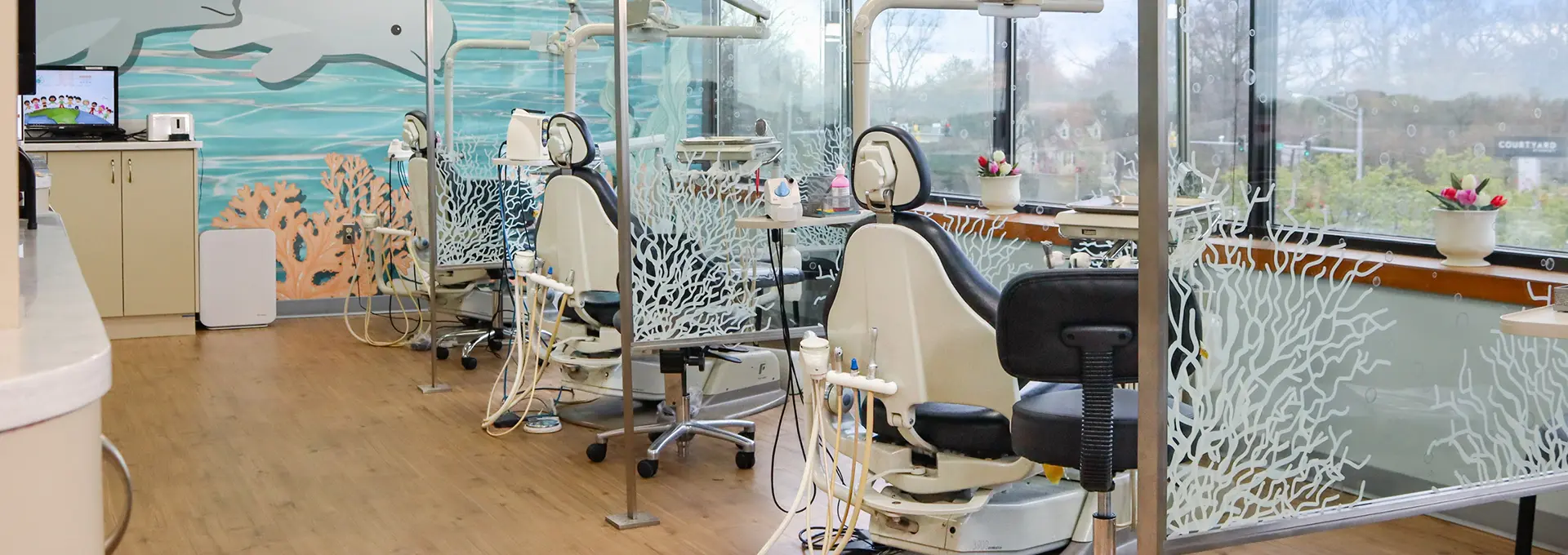
Dental X-Rays – Why They Matter for Your Child’s Dental Health
Posted on February 27, 2026
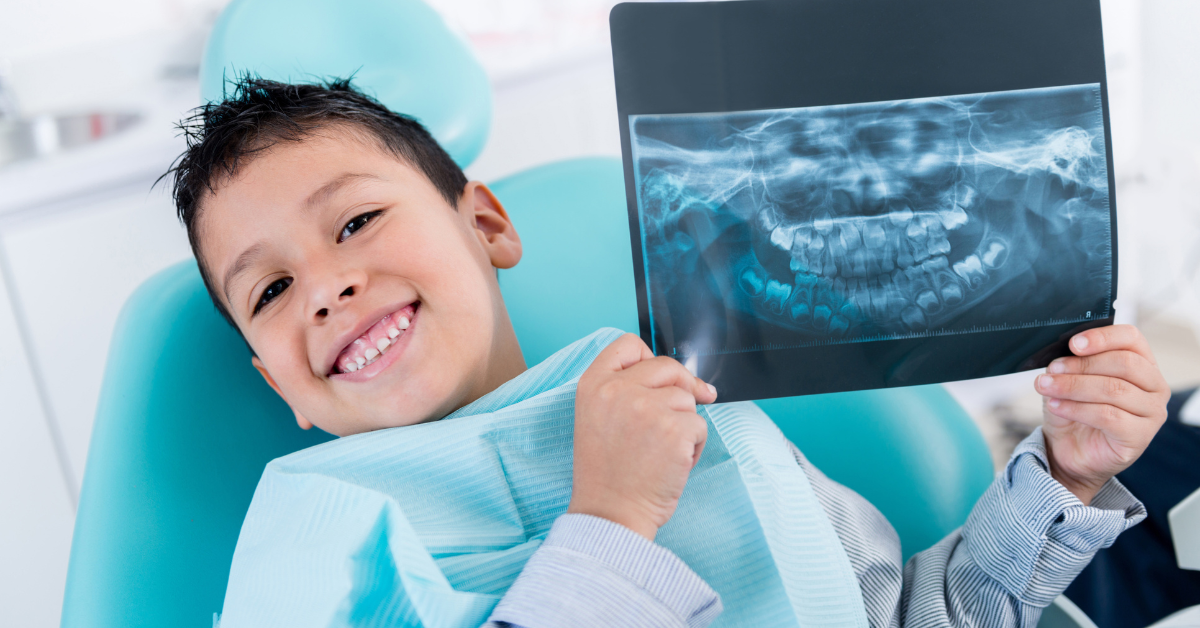
When it comes to your child’s dental care, seeing their smile during a clinical exam is only part of the picture. Even the most thorough visual exam cannot reveal issues hiding beneath the surface of the teeth, under the gums, or within the jawbone. That’s where dental X-rays, also called radiographs, come in.
Dental X-rays are a vital part of your child’s diagnostic process and help dentists detect problems early, guide treatment planning, and monitor your child’s growth and development. Without them, certain dental conditions can be missed, leading to discomfort, more complex treatment later, and higher cost to families.
Dental radiography is used responsibly in pediatric care to balance diagnostic benefit with very low radiation exposure. Here’s why dental X-rays matter for children and how they are used safely at Dr. Camps Pediatric Dental Center in Silver Spring, MD.
What Dental X-Rays Reveal That Exams Cannot
One of the main reasons pediatric dentists use X-rays is that they allow conditions unseen during a regular exam to be diagnosed and treated in a timely way. X-rays help dentists:
Detect Hidden Cavities
Not all decay is visible to the eye. Early cavities can form between teeth or beneath existing fillings, and radiographs show these areas clearly before they become painful or require more invasive treatment.
Monitor Erupting Teeth
As children grow, their baby teeth fall out and permanent teeth emerge. X-rays help dental professionals track the progress and position of erupting teeth, making sure they come in correctly and identifying potential crowding or impaction.
Diagnose Bone or Developmental Conditions
Radiographs can reveal abnormalities in the bone structure, such as bone infections, cysts, or other developmental issues that cannot be seen during a routine exam. These findings can inform preventive or corrective treatment planning early on.
Evaluate Dental Injuries
After a fall or impact, teeth and supporting bone can be damaged below the gumline or root level. X-rays help assess the extent of injury so that appropriate care can be provided.
Plan Orthodontic Treatment
For children who may need orthodontic care, such as braces or space maintainers, X-rays provide essential information about jaw relationships, tooth position, and timing of treatment.
Without radiographs, dental professionals might miss these issues until they become more serious and uncomfortable for your child. By using X-rays when appropriate, dentists can act early, which often makes treatment more comfortable for children and more affordable for families.
How Often Do Children Need Dental X-Rays?
There is no universal rule for how often X-rays should be taken; the timing is based on each child’s individual needs. The American Academy of Pediatric Dentistry (AAPD) and dental professionals recommend scheduling dental exams and X-rays according to your child’s risk for cavities and oral health status.
For a child at high risk of tooth decay, examinations and X-rays every six months may be recommended. On average, most pediatric dentists ask for radiographs about once a year.
Roughly every three years, obtaining a complete set of radiographs — such as panoramic and bitewing images — is a useful step in monitoring growth and development.
This personalized approach ensures your child gets the right number of X-rays based on their dental health history, current exam findings, and likelihood of change or disease — rather than a one-size-fits-all schedule.
How Dental X-Rays Are Taken
Digital radiography has become the standard in modern pediatric dental care. These systems produce clear images with significantly less radiation than traditional film X-rays. At Dr. Camps Pediatric Dental Center, we use advanced digital imaging that focuses only on the area of interest, reducing exposure and improving comfort.
During an X-ray appointment:
- Your child will sit or recline in the dental chair with a small sensor or film placed gently in their mouth.
- The dentist or trained team member will position the X-ray machine near the targeted area.
- A quick exposure produces an image that can be viewed instantly on a screen.
The entire process is quick and painless, making it easy to integrate into routine care. Dental professionals use their training to ensure each image provides the necessary diagnostic information while adhering to safety principles.
Radiation Safety and Your Child
One concern many parents have is radiation exposure from dental X-rays. It’s understandable; no parent wants to worry about their child’s safety. The good news is that contemporary dental imaging is incredibly safe, and the amount of radiation used is very low.
According to the American Dental Association (ADA), radiation exposure from dental radiographs represents a very small fraction of the total radiation people receive from all sources, including natural background exposure.
Dentists follow the ALARA principle, which stands for “As Low As Reasonably Achievable,” meaning imaging is performed only when the expected benefit outweighs the minimal risk.
Modern digital equipment filters out unnecessary X-rays, restricts the beam to the area of interest, and produces images with excellent diagnostic detail while minimizing radiation. Some comparisons suggest that a dental X-ray exposes a patient to an amount of radiation similar to a short period of everyday environmental exposure. This makes the risk negligible compared with the risk of undiagnosed dental disease.
Lead body aprons and shields have traditionally been used to protect patients during X-rays. While recent guidance indicates that these may not always be necessary with modern imaging systems, they can still be used when required or requested for comfort, and pediatric practices maintain strict standards to ensure your child’s safety.
How Dental X-Rays Support Early Detection and Treatment
Early detection through X-rays means problems can be diagnosed before your child feels pain or discomfort. For example, a cavity between back teeth may not be visible until it has advanced, but a radiograph can catch it early, allowing for a smaller filling and reducing the chance of more extensive treatment later.
Radiographs also help detect conditions like developing infection, jaw abnormalities, or trapped baby teeth, enabling the dentist to intervene promptly.
When dental issues are found and addressed early, dental care tends to be more straightforward, less invasive, and easier on your child.
Delaying X-rays or skipping them because of fear of radiation can mean waiting until a problem worsens and causes pain or requires more complex treatment. Radiographs are a tool that helps dental teams protect your child’s smile and comfort.
What to Expect at a Pediatric Dental Visit
At Dr. Camps Pediatric Dental Center, every visit begins with a comprehensive dental exam that may include X-rays if they are recommended. Our team tailors the approach based on your child’s age, oral health risk, and developmental stage.
During a preventive visit:
- Your child will receive a gentle clinical exam to check teeth, gums, and oral tissues.
- X-rays are recommended if they will provide valuable information to diagnose or monitor conditions that cannot be seen during the exam alone.
- The dentist will explain why the images are needed and how they help in planning care.
We understand that some children may feel nervous about dental imaging. Our friendly team creates a comforting environment and explains each step in a way children can understand. Parents are invited to ask questions so they can feel confident in the care their child receives.
Partnering With Families for Healthy Smiles
Dental X-rays are just one part of a comprehensive preventive strategy that includes daily brushing, flossing, proper nutrition, and regular checkups. Together, these elements help maintain healthy teeth and gums throughout childhood and beyond. Flossing and brushing help control plaque and prevent decay on the surfaces of teeth, while X-rays allow dentists to spot problems below the surface before they cause symptoms.
At Dr. Camps Pediatric Dental Center, we see dental care as a partnership with families. We take time to educate parents and children, answer questions, and provide guidance that makes daily care at home more effective. Our preventive approach focuses on early diagnosis, tailored care, and long-term oral health success.
Why Choose Dr. Camps Pediatric Dental Center
Choosing where your child receives dental care matters. At Dr. Camps Pediatric Dental Center, located at 12520 Prosperity Drive, Suite 300, Silver Spring, MD 20904, we offer a welcoming, child-friendly environment and a team experienced in pediatric dental care. Our practice focuses on prevention, education, and comfort.
Families appreciate our services because we provide:
- Expert guidance and preventive education tailored to each child
- Routine exams and diagnostic imaging, including safe, modern X-rays when appropriate
- Monitoring of dental development from infancy through adolescence
- Spanish-speaking staff to support diverse families
- Acceptance of most insurance plans to make care accessible
We understand that regular dental checkups are an important part of your child’s health journey.
Scheduling routine exams allows us to use X-rays judiciously and keep track of growth and development over time.
Scheduling Your Child’s Dental Visit
If you have questions about dental X-rays or want to schedule a preventive visit for your child, we encourage you to contact Dr. Camps Pediatric Dental Center. Early and ongoing care helps you stay ahead of potential issues and ensures your child’s smile stays strong and healthy.
Call our office at 301-989-8994 or visit us at 12520 Prosperity Drive, Suite 300, Silver Spring, MD 20904 to learn more about how dental X-rays and regular dental care can support your child’s oral health.