Around ages 3-7, baby teeth start to fall out, making way for strong, permanent teeth. This is also when the first adult molars begin to erupt, playing a key role in chewing and overall dental development. Regular checkups and good oral hygiene help ensure a smooth transition to a healthy, lasting smile!
Schedule regular checkups every six months.
Your child may have their first dental X-rays.
Dentists may apply protective sealants to prevent cavities.
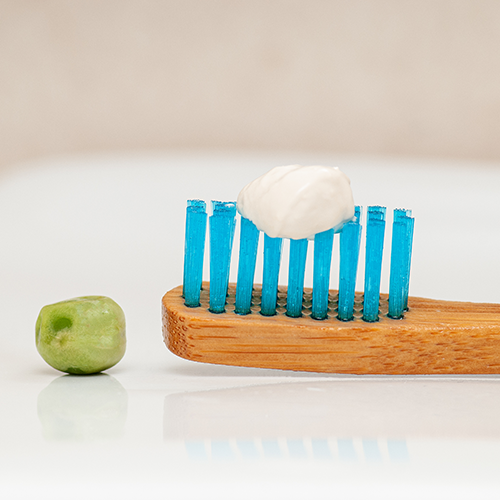
Use a soft-bristled toothbrush with a pea-sized amount of fluoride toothpaste.
Encourage brushing twice a day and limit sugary snacks.
Good oral hygiene is key to cavity prevention! Brush twice daily, floss regularly, and visit the dentist every six months. Sealants may also be recommended to protect molars from decay.
Toothache? Rinse with warm water and remove debris. If pain persists, visit a dentist.
Knocked-out tooth? Try to place it back in the socket or store it in milk and seek immediate dental care.
Cut lip or tongue? Apply ice and pressure to stop bleeding. If severe, visit an emergency room.
Fluoride strengthens teeth, but too much can cause discoloration. Use only a pea-sized amount of fluoride toothpaste and ensure kids spit it out after brushing. For younger children, a fluoride-free option may be best.
Many kids grind their teeth at night, often due to stress or inner ear pressure. Most outgrow it by age 9-12. If grinding is severe, a pediatric dentist can evaluate if a night guard is necessary.
By encouraging healthy habits now, you’re setting the stage for a lifetime of bright smiles!