For information on special oral health care, visit the following resources:
Frequent exposure to sugary liquids (milk, formula, juice) can lead to tooth decay in young children, especially when a child is put to bed with a bottle. To avoid this, always give only water in bottles at bedtime. Wipe your baby’s gums and teeth after feedings to remove plaque.
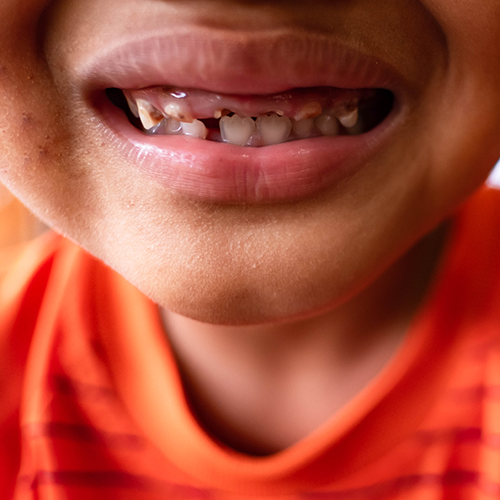
Start brushing early: Begin brushing as soon as the first tooth appears. Use a pea-sized amount of fluoride toothpaste once your child can spit it out.
Floss when teeth touch: Begin flossing as soon as any two teeth touch.
Supervise brushing: Ensure children under 7 brush thoroughly twice a day.
Toothache: Clean the area and rinse with warm water. See the dentist.
Cut/Bitten Tongue or Lip: Apply ice and apply gentle pressure to stop bleeding. Seek medical help if needed.
Knocked Out Tooth: Find the tooth and attempt to reinsert it or place it in milk. See a dentist immediately.

X-rays help detect dental issues not visible to the eye, such as cavities, bone diseases, and the need for orthodontics. The American Academy of Pediatric Dentistry recommends annual X-rays for children at high risk of decay.
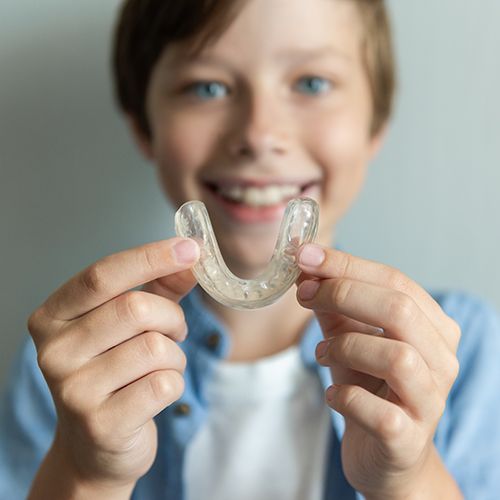
Nighttime teeth grinding is common among children. If your child shows signs of wear, consult your pediatric dentist for advice on treatment or mouthguards.
Fluoride strengthens teeth but excessive intake, especially in children, can cause fluorosis. Be mindful of fluoride sources such as toothpaste, water, and certain foods.
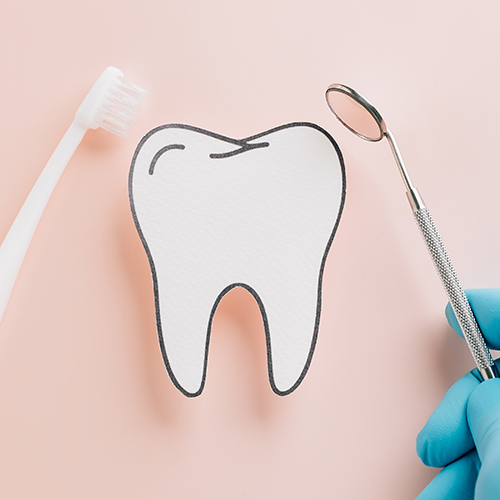
Limit sugary snacks, as frequent snacking increases the risk of cavities. Choose healthy snacks like vegetables, low-fat yogurt, and cheese. Regular visits to the dentist (starting at age 1) and good oral hygiene are key to preventing cavities.
Mouthguards: Essential for children in sports to prevent tooth injuries.
Sealants: Thin protective coatings applied to the back teeth to prevent cavities.
Thumb sucking can affect teeth alignment if it continues after the eruption of permanent teeth. Consult your pediatric dentist if the habit persists.
Tobacco use can damage oral health, leading to gum disease and oral cancer. Teach your child about the risks of tobacco.
Pediatric dentists are specially trained to care for children’s teeth and handle their unique dental needs. They provide care from infancy through adolescence.
Orthodontic issues can often be addressed early, starting between ages 2 and 6, with treatment tailored to the child’s age and dental development.
Your child should see the dentist by their first birthday. This visit helps establish good habits and eases any dental fears.