

Fluoride in Drinking Water – What Parents Need to Know
Posted on April 14, 2026
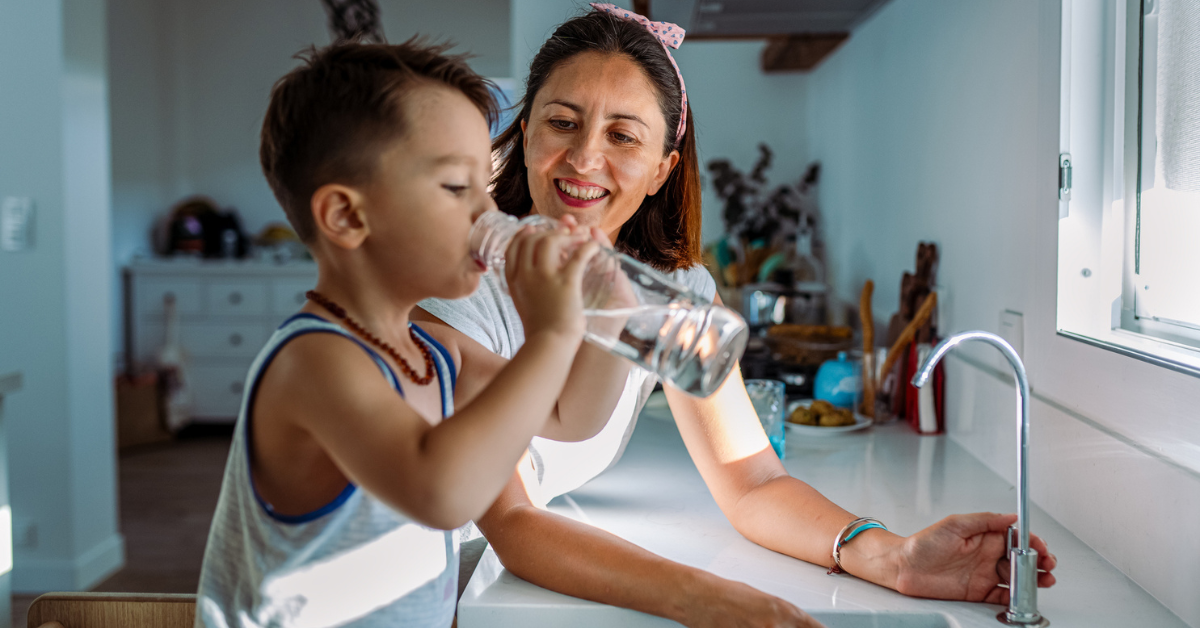
As a parent, you want to make the best choices for your child’s health, including their dental care. One topic that often raises questions is fluoride in drinking water. You may have heard that fluoride helps prevent cavities, but you might also wonder how it works, whether it is safe, and if your child is getting the right amount.
This guide explains what fluoride is, why it is added to drinking water, how it benefits your child’s teeth, and how Dr. Camps Pediatric Dental Center in Silver Spring, MD can help you make informed decisions about your child’s oral health.
What Is Fluoride?
Fluoride is a naturally occurring mineral found in soil, rocks, and water. In fact, almost all water sources contain some fluoride, though usually not enough to effectively prevent tooth decay.
Because of its strong protective benefits for teeth, many communities adjust fluoride levels in public drinking water to help improve oral health. This process is called community water fluoridation, and it has been used for more than 70 years as a safe and effective way to reduce cavities.
Why Is Fluoride Added to Drinking Water?
Fluoride plays an important role in strengthening tooth enamel, which is the outer layer of the teeth. It helps protect against acids produced by bacteria in the mouth, making teeth more resistant to decay.
Health organizations such as the Centers for Disease Control and Prevention and the American Academy of Pediatrics support fluoridated water because it helps prevent cavities across entire communities.
Fluoridated water works in two important ways:
- It strengthens developing teeth in children
- It provides ongoing protection for teeth throughout the day
When combined with brushing using fluoride toothpaste, it creates a powerful defense against tooth decay.
How Effective Is Fluoride in Preventing Cavities?
Fluoride in drinking water has been shown to significantly reduce tooth decay in both children and adults. Studies have found that community water fluoridation can lower cavity rates by about 25 percent.
In earlier decades, before fluoride toothpaste became common, reductions in cavities were even higher.
Even today, fluoride remains one of the most effective and affordable ways to protect children’s oral health. It also helps reduce the need for fillings, extractions, and other dental treatments.
What Is the Recommended Level of Fluoride?
The U.S. Public Health Service recommends a fluoride level of 0.7 milligrams per liter (mg/L) in drinking water. This level is carefully chosen to provide the best protection against cavities while minimizing potential risks.
Most public water systems aim to maintain fluoride levels close to this recommendation. If your child drinks tap water in a fluoridated community, they are likely receiving an appropriate amount of fluoride for dental protection.
Is Fluoride in Drinking Water Safe?
Safety is one of the most common concerns parents have about fluoride. The good news is that decades of research support the safety of fluoride when used at recommended levels.
According to the American Academy of Pediatrics and other major health organizations, fluoride in drinking water at 0.7 mg/L is safe and effective for preventing tooth decay.
Modern water systems carefully monitor fluoride levels to ensure they remain within safe limits. In addition, dental professionals follow guidelines to balance fluoride exposure from all sources, including toothpaste and treatments.
What About Too Much Fluoride?
While fluoride is beneficial, excessive intake during early childhood can lead to a cosmetic condition called dental fluorosis, which may cause faint white spots on the teeth.
To help prevent this:
- Follow age-appropriate toothpaste guidelines
- Supervise young children while brushing
- Talk to your dentist about your child’s total fluoride exposure
Water systems also monitor fluoride levels and notify communities if levels exceed recommended limits.
Fluoride and Your Child’s Developing Teeth
Fluoride is especially important during childhood, when teeth are still developing. It helps build stronger enamel, making teeth more resistant to cavities once they erupt.
Children who grow up drinking fluoridated water often experience:
- Fewer cavities
- Stronger enamel
- Less need for dental treatment
Fluoride also continues to benefit teeth after they come in by strengthening enamel and slowing the activity of cavity-causing bacteria.
What If Your Water Does Not Contain Fluoride?
Not all water sources contain optimal fluoride levels. For example:
- Private well water may have low or variable fluoride levels
- Some bottled waters do not contain fluoride
If your child’s water supply is low in fluoride, your pediatric dentist may recommend additional options such as:
- Fluoride supplements
- Professional fluoride treatments
- Fluoride varnish applications
It is important to consult with a dental professional before adding supplements, since fluoride intake should be carefully balanced.
Fluoride and Daily Oral Hygiene
Fluoride in drinking water works best when combined with good oral hygiene habits. Together, these steps help protect your child’s teeth:
- Brushing twice daily with fluoride toothpaste
- Flossing once teeth begin to touch
- Limiting sugary snacks and drinks
- Visiting the dentist regularly
Fluoridated water provides low levels of fluoride throughout the day, while toothpaste delivers a higher concentration during brushing. This combination offers strong, consistent protection.
The Public Health Impact of Fluoride
Fluoride in drinking water is widely recognized as one of the most important public health measures in history. It has helped reduce cavities across entire populations and made preventive dental care more accessible.
Community water fluoridation also helps reduce disparities in oral health. Children who may not have regular access to dental care still benefit from fluoride simply by drinking tap water.
By preventing cavities early, fluoride also helps:
- Reduce dental pain
- Improve school attendance
- Lower healthcare costs
How Dr. Camps Pediatric Dental Center Supports Your Child’s Oral Health
At Dr. Camps Pediatric Dental Center, we are committed to helping families understand the role fluoride plays in protecting children’s smiles.
Our team provides personalized guidance based on your child’s unique needs, including:
- Evaluating fluoride exposure from water and dental products
- Providing professional fluoride treatments when appropriate
- Educating families on safe and effective use of fluoride
- Monitoring dental development through regular exams
We understand that every family has questions about fluoride, and we take the time to provide clear, reassuring answers.
Why Families Choose Our Practice
- Child-friendly, welcoming environment
- Preventive, education-focused care
- Spanish-speaking staff available
- Acceptance of most insurance plans
- Experienced pediatric dental team
Our goal is to help your child build a strong foundation for lifelong oral health.
When Should You Talk to a Dentist About Fluoride?
You should consider discussing fluoride with your child’s dentist if:
- You are unsure about the fluoride level in your water
- Your child drinks mostly bottled or well water
- You have concerns about fluoride safety
- Your child has a high risk of cavities
Your pediatric dentist can help determine whether your child is receiving the right amount of fluoride and recommend any necessary adjustments.
Fluoride in drinking water is a safe, effective, and widely supported way to protect your child’s teeth from cavities. When used at recommended levels, it strengthens enamel, reduces decay, and supports long-term oral health.
By combining fluoridated water with good daily habits and regular dental visits, you can give your child a strong, healthy smile that lasts a lifetime.
If you have questions about fluoride or want to schedule a visit, Dr. Camps Pediatric Dental Center in Silver Spring, MD is here to help guide you every step of the way.
FAQs About Fluoride in Drinking Water
Is fluoride in drinking water safe for children?
Yes. Fluoride at recommended levels is safe and effective for preventing cavities in children.
What is the ideal level of fluoride in water?
The recommended level is 0.7 mg/L, which helps prevent tooth decay while minimizing risks.
Does my child still need fluoride toothpaste if they drink fluoridated water?
Yes. Fluoride toothpaste and fluoridated water work together to protect teeth more effectively.
What happens if my child gets too much fluoride?
Excess fluoride during early childhood may cause mild dental fluorosis, which appears as faint white spots on teeth.
How can I find out the fluoride level in my water?
You can check with your local water provider or review your annual water quality report.
What if my home uses well water?
Well water should be tested for fluoride levels. Your dentist can help determine if supplements or treatments are needed.