Toothaches – Causes, Relief, and When to Call a Pediatric Dentist
Posted on July 28, 2026
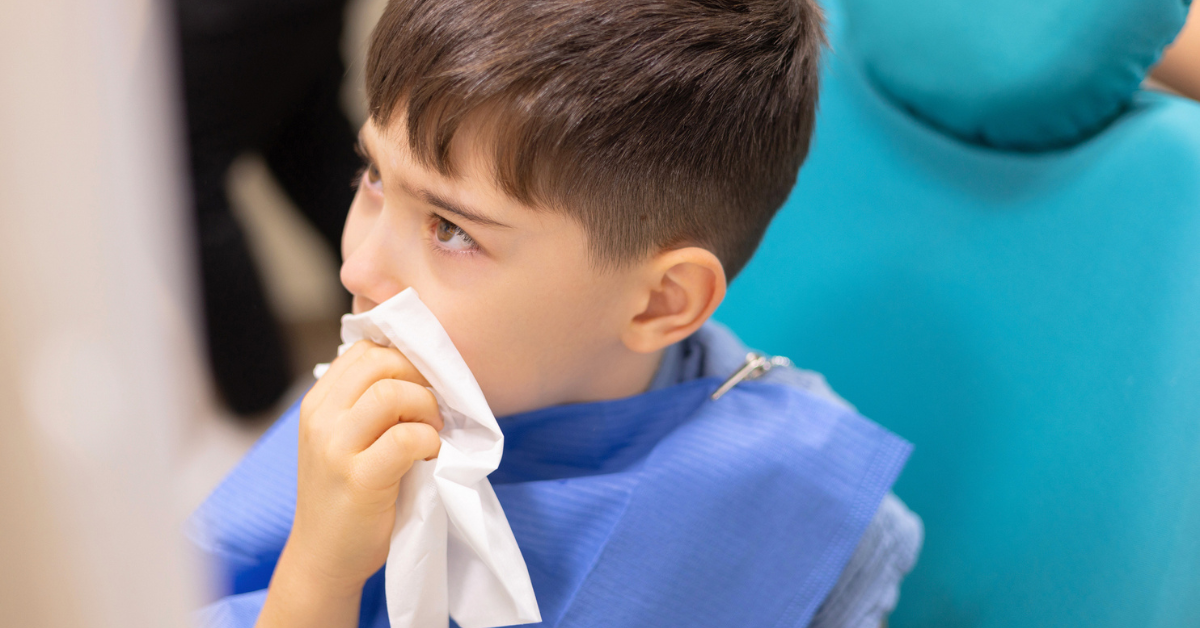
Few things are harder for a parent than seeing a child in pain. Toothaches can begin as mild sensitivity and quickly become throbbing, sharp, or constant discomfort. Some children may be able to point directly to the painful tooth, while younger children may simply become irritable, avoid eating, wake during the night, or hold one side of their face.
A toothache is not a condition by itself. It is a warning sign that something is irritating or damaging a tooth, the gums, or the surrounding tissues. While home care may provide temporary relief, ongoing toothaches need professional evaluation. Waiting too long can allow decay, infection, or an injury to become more serious.
At Dr. Camps Pediatric Dental Center, our pediatric dental team provides gentle care for children experiencing tooth pain, swelling, broken teeth, and other urgent dental concerns.
What Does a Toothache Feel Like?
Toothaches can feel different depending on their cause and severity. A child may describe the pain as:
- Dull or aching
- Throbbing or pulsing
- Sharp, searing, or stabbing
- Pain when biting or chewing
- Sensitivity to hot or cold foods
- Discomfort after eating sweets
- Tenderness in the gums or jaw
Some toothaches come and go, while others remain constant. Pain may also seem worse at night because there are fewer distractions and lying down can increase pressure around an inflamed tooth.
Even if the pain is mild, pay attention to how long it lasts and whether other symptoms appear. A toothache that continues, becomes stronger, or interferes with eating and sleeping should be assessed by a pediatric dentist.
Common Causes of Toothaches in Children
A dental examination is needed to identify the exact source of pain. Several common conditions can cause toothaches in children.
Tooth Decay
Cavities are one of the most frequent causes of dental pain. Tooth decay begins when bacteria in plaque use sugars from food and drinks to produce acids. These acids weaken the tooth’s enamel and may eventually create a hole.
A small cavity may cause sensitivity to sweets or temperature changes. As decay moves deeper into the tooth, pain may become more frequent or intense. HealthyChildren.org notes that tooth decay is a common cause when dental pain lasts longer than one day.
Food Trapped Between Teeth
Fibrous meat, popcorn, seeds, and other foods can become wedged tightly between teeth. The pressure may irritate the gums and cause surprisingly strong discomfort.
Gentle flossing can sometimes remove the trapped material and resolve the pain. Never use pins, toothpicks, or other sharp objects to dig between a child’s teeth.
A Cracked or Broken Tooth
A child may crack a tooth by falling, being hit during sports, or biting a hard object. Some cracks are easy to see, while others are hidden beneath the gumline or too small to notice without dental imaging.
A cracked tooth may hurt when the child bites or drinks something cold. The American Dental Association advises rinsing the mouth with warm water, applying a cold compress if swelling develops, and seeing a dentist promptly.
A Loose or Erupting Tooth
Baby teeth naturally loosen before falling out, and permanent teeth may cause temporary gum tenderness as they erupt. These normal developmental changes can create mild soreness.
Pain that is severe, prolonged, or accompanied by swelling should not be assumed to be part of normal tooth eruption.
Gum Irritation
Red, swollen, or bleeding gums may become painful when plaque gathers near the gumline. Brushing and flossing carefully are important, but a professional cleaning may be needed if inflammation continues.
Dental Abscess or Infection
A dental abscess is a pocket of infection associated with a tooth or the surrounding tissue. It may develop when decay or trauma allows bacteria to reach the inner portion of the tooth.
Signs may include severe throbbing pain, a pimple-like bump on the gum, a bad taste, fever, facial swelling, or tenderness when the tooth is touched. An abscess will not heal with home remedies alone and needs prompt dental care. Facial swelling, infection, and significant pain are recognized pediatric dental emergencies.
What to Do When Your Child Has a Toothache
Begin by staying calm. Children often take emotional cues from their parents, so a reassuring approach can help make the situation feel less frightening.
Rinse With Warm Water
Have your child gently rinse the mouth with warm water to clean the area. The water should feel comfortable, not hot. Young children who cannot reliably spit should not be asked to rinse without close supervision.
The American Academy of Pediatric Dentistry also suggests warm salt water for an irritated area, provided the child is old enough to rinse and spit safely.
Floss Around the Painful Tooth
Gently floss on both sides of the tooth to remove any trapped food. Guide the floss carefully rather than snapping it into the gums.
If flossing removes the object and the discomfort disappears, continue to monitor the area. Call the dentist if pain remains or returns.
Apply a Cold Compress
Place a cold pack against the outside of the cheek near the painful area. Wrap the pack in a thin towel to protect the skin, and use it for short intervals.
Cold can help soothe discomfort and reduce swelling. Do not place heat on facial swelling, since warmth may worsen inflammation associated with an infection.
Offer Appropriate Pain Relief
An age-appropriate acetaminophen product, such as Children’s Tylenol, may provide temporary relief. Ibuprofen may also be an option for some children. The American Academy of Pediatric Dentistry considers acetaminophen and nonsteroidal anti-inflammatory medications first-line medicines for pediatric dental pain when they are appropriate for the child.
Follow the product instructions and guidance from your child’s pediatrician, dentist, or pharmacist. Medication choice and dosage depend on the child’s age, weight, health history, allergies, and other medicines.
Pain medicine may help a child feel better, but it does not treat the underlying dental problem.
Call the Pediatric Dentist
Contact your child’s dentist and explain:
- When the toothache started
- Where the pain appears to be
- Whether it is constant or triggered by eating
- Whether swelling, fever, bleeding, or an injury is present
- What you have already done for relief
These details help the dental team determine how quickly your child should be seen.
What Not to Do for a Child’s Toothache
Do not place aspirin directly on the tooth, gums, or cheek. Aspirin can irritate and burn gum tissue. The ADA and AAPD specifically advise against this practice.
Do not try to drain a bump or abscess at home or place sharp objects between the teeth. Do not give leftover antibiotics from an earlier illness. Antibiotics are not appropriate for every toothache, and when they are needed, they must be selected and prescribed by a qualified healthcare professional.
Avoid assuming that pain is gone simply because medication temporarily reduces it. Dental decay or infection can continue to progress even when symptoms briefly improve.
When Is a Toothache a Dental Emergency?
Call a pediatric dentist promptly when your child has severe pain, visible swelling, dental trauma, or signs of infection. Same-day evaluation may be needed.
Seek urgent professional care if your child has:
- Swelling of the face, jaw, or gums
- Fever with dental pain
- Severe or rapidly worsening pain
- A red, yellow, or pimple-like bump near the tooth
- A broken tooth causing pain
- Bleeding that does not stop
- Difficulty opening the mouth
- Pain that prevents eating, drinking, or sleeping
- Tooth pain after a fall or facial injury
- A toothache lasting longer than 24 hours
Go to an emergency department or call emergency services when swelling affects breathing or swallowing, an injury may involve the jaw or facial bones, bleeding is uncontrolled, or the child has other signs of a serious medical emergency. AAPD guidance recognizes infections that threaten the airway, uncontrolled bleeding, and major facial trauma as emergencies requiring immediate attention.
Why Fast Dental Treatment Matters
A toothache may begin with a small cavity, but dental problems do not usually repair themselves. Once decay creates a hole in a tooth, professional treatment is generally needed to stop it from advancing.
Early treatment may involve a smaller and more straightforward restoration. If decay reaches the tooth’s nerve or causes an infection, care may become more involved and may require nerve treatment, a crown, extraction, or other procedures.
Untreated pain can also affect a child’s sleep, nutrition, concentration, school attendance, mood, and willingness to brush. Early recognition and treatment of oral conditions can support a child’s oral health, overall well-being, academic performance, and self-esteem while helping reduce healthcare costs.
How Dr. Camps Pediatric Dental Center Handles Toothaches
Dental emergencies can happen without warning. A child might wake up with severe pain, chip a tooth at school, or injure the mouth during sports.
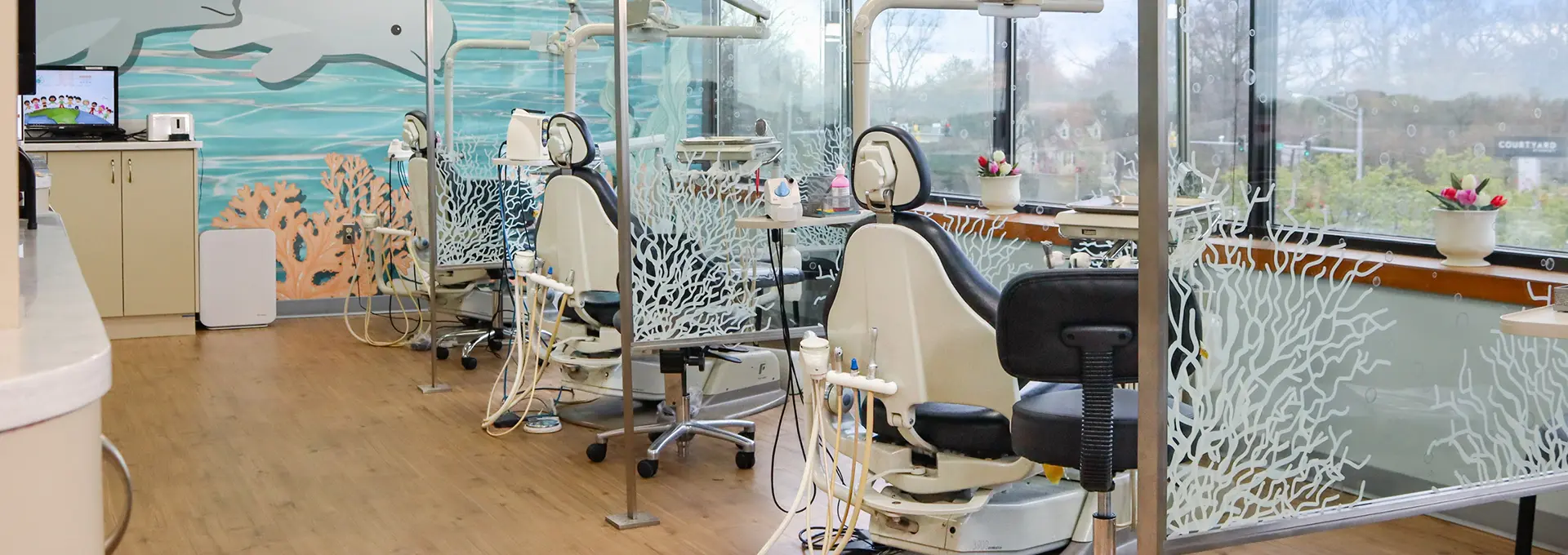
At Dr. Camps Pediatric Dental Center, our team is experienced in handling pediatric dental emergencies calmly and efficiently. When possible and appropriate, same-day care is available for urgent concerns such as severe toothaches, broken teeth, trauma, and dental pain.
During an evaluation, the pediatric dentist may:
- Ask about the child’s symptoms and medical history
- Examine the teeth, gums, bite, and surrounding tissues
- Take dental X-rays when needed to locate hidden decay, infection, or injury
- Explain the diagnosis in parent-friendly language
- Recommend treatment based on the child’s age and individual needs
- Discuss safe ways to manage discomfort
Our practice provides preventive, restorative, and emergency dental services for infants through adolescents. We accept most insurance plans, and Spanish-speaking staff members are available to help families communicate comfortably.
Families can visit us at 12520 Prosperity Drive, Suite 300, Silver Spring, MD 20904.
Preventing Future Toothaches
Not every toothache can be prevented, especially when accidents happen. Good daily care can lower the risk of pain caused by cavities and gum inflammation.
Help your child brush twice daily with fluoride toothpaste. Floss when any two teeth touch, limit frequent sugary snacks and drinks, and schedule regular pediatric dental examinations. A dentist may also recommend fluoride treatments or sealants based on the child’s cavity risk.
Children who play contact sports should wear a properly fitted mouthguard. They should also avoid chewing ice, hard candy, popcorn kernels, and nonfood objects that could crack a tooth.
Regular visits give the pediatric dentist a chance to find small concerns before they become painful. Prevention and early care are usually easier for children than treatment after severe symptoms develop.
Frequently Asked Questions About Toothaches
Can a child’s toothache go away on its own?
Pain caused by trapped food or minor irritation may improve after gentle flossing and cleaning. Pain that continues, returns, or becomes stronger may indicate decay, a crack, or infection and should be evaluated.
Should I take my child to the emergency room for a toothache?
Most toothaches are best treated by a dentist because emergency departments may not be able to repair the tooth. Go to an emergency department when your child has trouble breathing or swallowing, rapidly spreading swelling, uncontrolled bleeding, significant facial trauma, or another serious medical symptom.
Can I put aspirin on my child’s aching tooth?
No. Aspirin placed directly against a tooth or gum can damage the soft tissue. Use only age-appropriate medication as directed by a healthcare professional or the product label.
Does a toothache always mean there is a cavity?
No. Toothaches can result from decay, trapped food, gum irritation, a cracked tooth, eruption, trauma, or infection. A pediatric dental examination is needed to identify the cause.
What should my child eat while waiting for an appointment?
Offer soft foods that are easy to chew. Avoid very hot, cold, sugary, sticky, or hard foods if they trigger pain. Encourage water and have the child chew on the comfortable side when possible.
How quickly should a toothache be checked?
Severe pain, swelling, fever, injury, or signs of infection call for urgent evaluation. Contact the dentist if milder pain lasts longer than 24 hours, worsens, or repeatedly returns.
Help Your Child Feel Better
A toothache is your child’s signal that something needs attention. Warm-water rinsing, careful flossing, a cold compress, and properly used pain medicine may offer short-term comfort, but they should not replace a dental examination.
For toothaches, swelling, broken teeth, or other urgent dental concerns, contact Dr. Camps Pediatric Dental Center. Our team provides caring pediatric dental treatment in a child-focused setting at 12520 Prosperity Drive, Suite 300, Silver Spring, MD 20904. Prompt care can relieve pain, protect the affected tooth, and help your child return to eating, sleeping, learning, and smiling comfortably.