When Do Kids Lose Their Baby Teeth? A Tooth-by-Tooth Timeline
Posted on October 20, 2026
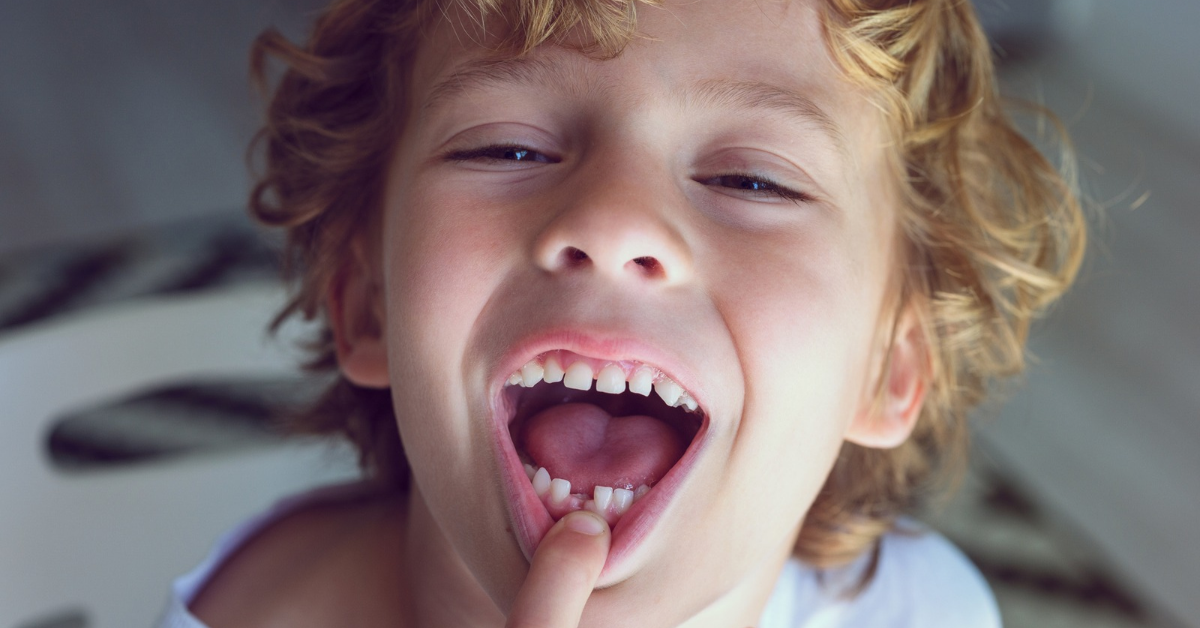
Watching your child lose their first baby tooth is an exciting milestone. For many families, it means a visit from the Tooth Fairy, a new gap-toothed smile, and plenty of questions about what happens next. But as those little teeth begin to wiggle, parents often wonder: When do kids lose their baby teeth, and is my child’s tooth development on schedule?
Most children begin losing their baby teeth around age 6, although some start earlier or later. The process continues throughout childhood, with the last baby teeth typically falling out between ages 10 and 12.
Understanding the baby teeth timeline can help parents recognize normal development, identify potential concerns, and know when to schedule a dental evaluation.
At Dr. Camps Pediatric Dental Center in Silver Spring, MD, we help families navigate every stage of their child’s dental development, from their first baby tooth to their growing permanent smile.
When Do Kids Start Losing Their Baby Teeth?
Most children lose their first baby tooth between ages 5 and 7, with age 6 being the most common starting point.
Children typically have 20 primary teeth, also called baby teeth. These teeth begin appearing around 6 months of age, and most children have their full set by age 3.
As permanent teeth develop beneath the gums, they gradually dissolve the roots of the baby teeth. This natural process allows the primary teeth to loosen and eventually fall out.
The American Dental Association (ADA) explains that children generally begin losing their primary teeth around age 6, usually starting with the lower front teeth.
However, every child’s dental development is different. Some children may lose their first tooth at age 4, while others may not experience a loose tooth until age 7.
A slightly different timeline does not automatically mean something is wrong.
Baby Teeth Chart: What Age Do Kids Lose Each Tooth?
Parents searching for a baby teeth chart often want to know which teeth fall out first and when the others should follow.
The following chart provides typical age ranges based on commonly used dental eruption and shedding timelines.
Baby Teeth Falling Out Chart
| Baby Tooth | Upper Teeth | Lower Teeth |
|---|---|---|
| Central incisors (front teeth) | 6–7 years | 6–7 years |
| Lateral incisors (beside front teeth) | 7–8 years | 7–8 years |
| First molars | 9–11 years | 9–11 years |
| Canines (pointed teeth) | 10–12 years | 9–12 years |
| Second molars (back baby teeth) | 10–12 years | 10–12 years |
These are approximate age ranges. The ADA’s tooth eruption charts provide additional detail about when individual primary teeth are typically shed.
The order can vary, but children usually lose their front teeth first, followed by their molars and canine teeth.
If your child’s teeth do not follow this chart exactly, there is usually no reason to worry. Your pediatric dentist can monitor development during regular checkups.
Which Baby Teeth Fall Out First?
The lower central incisors, the two front teeth on the bottom, are usually the first baby teeth to fall out.
These are often the same teeth that appeared first during infancy.
After the lower front teeth, children commonly lose their upper central incisors. The lateral incisors, located next to the front teeth, generally follow.
This means children often experience several missing front teeth between ages 6 and 8.
During this stage, you may notice that permanent teeth look larger or have a slightly different color than the baby teeth they replace.
Permanent teeth naturally tend to be somewhat more yellow than primary teeth because of differences in tooth structure.
When Do Kids Lose Their Back Baby Teeth?
While front teeth receive the most attention, the back baby teeth remain in place much longer.
Most children begin losing their primary molars around ages 9 to 11, with the remaining back baby teeth typically falling out by ages 12 or 13.
These teeth are especially important because they help children chew food and maintain space for developing permanent teeth.
Parents sometimes assume that a cavity in a back baby tooth does not require treatment because the tooth will eventually fall out.
However, a baby molar may need to function for several more years.
Untreated decay can cause pain, infection, and premature tooth loss. Losing a baby molar too early can allow neighboring teeth to shift into the empty space, potentially affecting how permanent teeth erupt.
Maintaining healthy baby teeth helps support proper dental development.
What About the Six-Year Molars?
One common source of confusion is the appearance of permanent molars around age 6.
Unlike most permanent teeth, six-year molars do not replace baby teeth.
Instead, they emerge behind the existing baby molars.
Because no baby tooth falls out before these permanent molars appear, parents may not realize their child has new adult teeth.
These teeth are particularly important for chewing and establishing the developing bite.
Their deep grooves can also trap plaque and food particles, making them vulnerable to cavities.
Your pediatric dentist may recommend dental sealants to protect these chewing surfaces from decay.
Why Do Baby Teeth Fall Out?
Losing baby teeth is a natural part of growing up.
Beneath each primary tooth, a permanent replacement tooth gradually develops. As the permanent tooth moves toward the surface, the root of the baby tooth is slowly absorbed.
Eventually, there is not enough root structure remaining to hold the baby tooth firmly in place.
The tooth becomes loose and falls out, allowing the permanent tooth to emerge.
This process usually happens without significant discomfort.
Some children may experience mild tenderness while a tooth is loose, especially when chewing harder foods.
However, severe pain, swelling, or persistent bleeding is not typical and should be evaluated by a pediatric dentist.
Should You Pull Out a Loose Baby Tooth?
When a baby tooth starts wiggling, many children want to pull it out immediately.
In most cases, the best approach is to let the tooth fall out naturally.
Encourage your child to gently wiggle the tooth with a clean finger or their tongue. As the root continues dissolving, the tooth should become increasingly loose.
If a tooth is hanging by a small amount of tissue and is ready to come out, it may be possible to remove it gently with clean gauze.
Never forcefully pull a tooth that is still firmly attached.
Pulling a tooth too early can cause unnecessary pain, bleeding, or injury to the surrounding gum tissue.
If a loose tooth is causing discomfort or has remained partially attached for an extended period, your pediatric dentist can help.
What If My Child Loses a Baby Tooth Too Early?
Sometimes children lose baby teeth earlier than expected because of dental injuries, untreated cavities, or other oral health problems.
Early tooth loss does not always cause complications, but it can sometimes affect the space available for permanent teeth.
When a primary molar is lost prematurely, neighboring teeth may drift toward the empty space.
This can contribute to crowding or eruption problems.
Depending on the child’s age and which tooth was lost, a pediatric dentist may recommend a space maintainer.
A space maintainer is a dental appliance designed to preserve the space until the permanent tooth is ready to erupt.
If your child loses a baby tooth unexpectedly, schedule a dental evaluation rather than assuming the permanent tooth will simply grow in without difficulty.
What If My Child Hasn’t Lost Any Teeth by Age 7?
Parents frequently ask, “When do kids lose teeth if they are developing later than their classmates?”
While age 6 is typical, some healthy children begin losing teeth later.
Genetics, individual growth patterns, and the timing of permanent tooth development can influence when primary teeth fall out.
If your child has not lost any baby teeth by age 7, it is worth discussing during a dental examination.
Your pediatric dentist may recommend X-rays when clinically appropriate to check the position and development of the permanent teeth.
An examination can help determine whether your child’s dental development is simply progressing at a different pace or whether additional monitoring is needed.
What If Permanent Teeth Grow Behind Baby Teeth?
Sometimes a permanent tooth begins erupting behind a baby tooth that has not fallen out.
Parents may notice what looks like a second row of teeth, sometimes called “shark teeth.”
This commonly happens with the lower front teeth.
In many cases, the baby tooth eventually loosens and falls out, allowing the permanent tooth to move toward a more appropriate position.
However, if the baby tooth remains firmly in place or the permanent tooth appears significantly out of alignment, a pediatric dentist should evaluate the situation.
Treatment depends on the child’s dental development and the position of the teeth.
How to Care for Your Child’s Teeth During This Transition
The years when children lose baby teeth are an important time to reinforce healthy dental habits.
Even though primary teeth are being replaced, both baby and permanent teeth need daily care.
Encourage your child to:
- Brush twice daily using fluoride toothpaste.
- Floss once daily wherever teeth touch.
- Limit frequent sugary snacks and beverages.
- Drink water throughout the day.
- Avoid chewing hard objects that could damage loose or permanent teeth.
- Attend regular pediatric dental examinations.
Children may need help brushing and flossing even after they begin losing baby teeth.
As permanent molars erupt, make sure your child brushes all the way to the back of the mouth.
Professional cleanings, fluoride treatments, and dental sealants may also help protect newly erupted permanent teeth.
How Dr. Camps Pediatric Dental Center Supports Growing Smiles
Every child’s dental development follows a slightly different schedule.
At Dr. Camps Pediatric Dental Center, our pediatric dental team monitors the growth and development of children’s teeth from infancy through adolescence.
During routine visits, we can evaluate loose baby teeth, monitor permanent tooth eruption, identify potential spacing concerns, and provide guidance about maintaining healthy oral hygiene habits.
Our practice offers comprehensive pediatric dental services, including preventive care, cleanings, sealants, dental X-rays when appropriate, restorative treatment, and care for children with special health care needs.
We also offer a welcoming, child-friendly environment, Spanish-speaking staff, and acceptance of most insurance plans.
Families can visit us at 12520 Prosperity Drive, Suite 300, Silver Spring, MD 20904.
Frequently Asked Questions About Losing Baby Teeth
When do kids lose their first baby tooth?
Most children lose their first baby tooth around age 6, although losing a tooth between ages 5 and 7 is common.
What order do baby teeth fall out?
The lower front teeth typically fall out first, followed by the upper front teeth, lateral incisors, and eventually the canines and baby molars. The exact order can vary.
When do kids lose all their baby teeth?
Most children have lost all 20 primary teeth by approximately ages 12 to 13. Some children complete the process slightly earlier or later.
Is it normal for a 5-year-old to lose a tooth?
Yes. Some children begin losing baby teeth around age 5. If the tooth becomes loose naturally and there are no other concerning symptoms, this can be normal.
Do six-year molars replace baby teeth?
No. The first permanent molars erupt behind the baby teeth, usually around age 6. They do not replace existing primary teeth.
Should I worry if my child’s teeth fall out in a different order?
Not necessarily. Small differences in timing and order are common. However, unusual delays, significant crowding, pain, or teeth erupting in unexpected positions should be evaluated.
What should I do if my child knocks out a baby tooth?
Contact a pediatric dentist promptly. Never attempt to reinsert a knocked-out baby tooth, because doing so can damage the developing permanent tooth beneath it.
Help Your Child Build a Healthy Permanent Smile
Losing baby teeth is an exciting part of childhood, and knowing what to expect can make the experience easier for parents and children alike.
Most children begin losing teeth around age 6, starting with the front teeth, and continue replacing their baby teeth through approximately age 12 or 13.
While a baby teeth chart provides a helpful general timeline, your child’s individual development matters more than following an exact schedule.
If you have questions about loose teeth, delayed tooth loss, permanent teeth growing in, or your child’s overall dental development, Dr. Camps Pediatric Dental Center is here to help.
Schedule a visit online and let our pediatric dental team help your child move confidently from their first baby teeth to a healthy permanent smile.